Gardening T-shirt Design 17
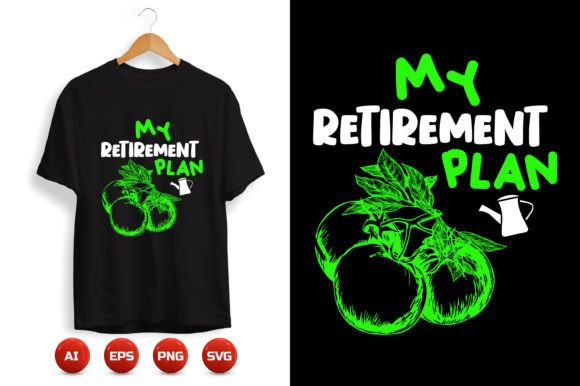
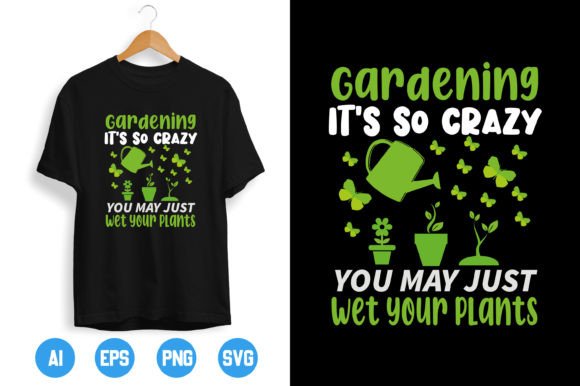
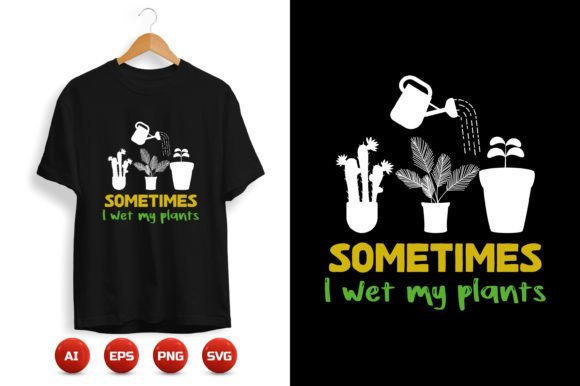
As someone who’s stitched hundreds of custom embroidery projects—from boutique aprons to baby onesies and Etsy bestsellers—I opened Gardening T-shirt Design 17 expecting charm, but what I found was something more useful: a design with quiet wit and real-world adaptability. The phrase “Sometimes I wet my plants” lands with a gentle, self-aware smile—perfect for gardeners who love humor without sarcasm, and ideal for handmade products that balance personality with polish.
I tested it first on a natural linen tote bag—sturdy, textured, and popular in local craft markets. Right away, the layout made sense: compact enough to sit cleanly in a 4” hoop, yet detailed enough to hold interest at arm’s length. The lettering is friendly and rounded—not too tight, not too loose—and the botanical elements (a watering can, maybe a sprig or two) nestle comfortably beside the text without crowding. It doesn’t shout. It invites.
This isn’t a high-detail appliqué design or a dense fill-stitch landscape. It’s built for clarity—clean vector shapes mean crisp satin stitch edges and predictable running stitch outlines. That matters when you’re stitching on cotton poplin baby onesies or lightweight tea towels where thread buildup can cause puckering. On medium-weight sweatshirts? It reads beautifully at 3.5” wide. On curved surfaces like caps? I’d recommend keeping it under 3”, and using a tear-away + cut-away stabilizer combo to prevent distortion around the curves.
Where Gardening T-shirt Design 17 shines is in versatility. As a machine embroidery design, it translates well across categories: embroidered patches for gardening clubs, personalized kitchen towels for housewarmings, pillow covers for sunrooms, even small-batch nursery decor. I stitched it on a denim apron recently—no issues with fabric texture once the right stabilizer was layered underneath. The vector foundation means resizing stays clean, whether scaling down for a child’s cap or up for a large tote front.
But let’s be honest: it’s not magic. On very dark fabrics—navy twill or charcoal fleece—I double-checked contrast by previewing the design in black-and-white mockups first. Light thread colors need careful selection; a pale yellow satin stitch on black can fade visually unless density is slightly increased. And while the file includes AI, EPS, PNG, and SVG formats, remember: only the vector files (AI, EPS, SVG) retain full editability for color changes or shape tweaks. PNG is great for printable mockups—but not for resizing without pixelation.
For Etsy sellers and small shop owners, this design fits neatly into a cohesive brand story—think “botanical + breezy + human.” It pairs naturally with other garden-themed embroidery files, but it also stands alone as a lighthearted anchor piece. Customers respond well to its warmth: I’ve seen similar phrases spark smiles at craft fairs, especially when stitched on organic cotton tees or reusable produce bags. It feels handmade, not mass-produced—even though it starts as a digital embroidery file.
That said, there are places to pause. Avoid using it on ultra-thin fabrics like voile or rayon challis without heavy backing—those fine lines and subtle curves need support. Stretchy knits (like jersey t-shirts) demand a light fusible stabilizer *before* hooping, plus basting stitches to keep the design from shifting mid-stitch. And if you're planning holiday embroidery—say, embroidered seed packet pouches for Christmas gifts—test stitch density early. Too much fill stitch in small areas can stiffen delicate fabrics, undermining the soft, approachable vibe.
Here’s what I always do before committing to a client project or production run with Gardening T-shirt Design 17:
- Test on scrap fabric—same type and weight as the final product, with the exact stabilizer and thread I plan to use.
- Check thread color contrast on both light and dark backgrounds—not just on screen, but in natural light.
- Review stitch density in the lettering and smallest botanical details; adjust if needed for breathability on baby items or kitchen textiles.
- Confirm hoop size compatibility—especially if working with older machines or limited hoop options.
- Inspect small corners and joins—vector files resize cleanly, but automatic digitizing sometimes leaves tiny gaps in satin stitch transitions.
- Run black-and-white mockups to assess visual weight and balance without color distraction.
- Verify licensing terms before selling finished embroidered goods or bundling the file with other design assets—this is a Graphics category item, and commercial use rights aren’t implied unless explicitly stated.
What makes Gardening T-shirt Design 17 more than just another Print Templates download is how it supports intentionality. It doesn’t try to be everything—it’s focused, warm, and quietly confident. That shows in the finished product: a hand-finished tote bag that feels thoughtful, not trendy; a personalized gift that lands with sincerity, not irony; a small shop product that builds trust because it looks *made*, not assembled.
It works for embroidery designers who value clean execution, crafters who want reliable results without endless tweaking, and creative entrepreneurs building recognizable, human-scaled brands. It won’t dominate a tradeshow booth—but it will linger in memory after a customer runs their fingers over the smooth satin stitch of the watering can, smiles, and says, “I *do* water my plants… sometimes.”
If your next project needs grounded charm—whether it’s a batch of embroidered aprons for a local nursery, a set of tea towels for a wedding favor, or a curated digital bundle for fellow Etsy sellers—Gardening T-shirt Design 17 earns its place in the toolkit. Not as a flashy centerpiece, but as a steady, well-designed helper—the kind you reach for again and again.