About Valentine’s Day T-Shirt Design
First Impression: Sweet, Simple, and Ready for Real Life
When I opened About Valentine’s Day T-Shirt Design, my first thought wasn’t “cute” — it was “usable.” As someone who’s stitched hundreds of holiday designs for Etsy shops, boutique clients, and custom gift orders, I’ve learned to spot the difference between a pretty graphic and a design that translates well into thread. This one lands firmly in the latter camp. It’s cheerful without being cloying, balanced without feeling stiff, and carries that warm, hand-crafted energy customers love in personalized gifts — especially around Valentine’s Day.
A Real-World Test: Embroidering It on a Linen-Cotton Kitchen Towel
Last week, I used About Valentine’s Day T-Shirt Design as the centerpiece for a set of embroidered kitchen towels — part of a small-batch Valentine’s gift line for a local café. I chose linen-cotton blend fabric for its texture and durability, paired with medium-weight cutaway stabilizer. The design scaled cleanly to 3.8 inches wide, sat comfortably in a 4x4 hoop, and stitched out smoothly across all three towels. No skipped stitches, no thread breaks, no puckering. That tells me the underlying digitizing is clean — a quiet but critical win for any embroidery file meant for real production.
Where It Shines (and Where It Needs Thought)
About Valentine’s Day T-Shirt Design works beautifully on structured, stable fabrics: cotton tees, canvas tote bags, denim aprons, baby onesies, and lightweight sweatshirts. Its open layout and moderate detail level hold up well in satin stitch lettering and soft fill-stitch hearts — no micro-details that vanish under thread or blur on textured surfaces.
It’s also a strong candidate for embroidered patches. I tested it on twill-backed iron-on patch material, and the clean edges and consistent stitch density gave sharp, professional results — ideal for craft fairs or small shop merchandise.
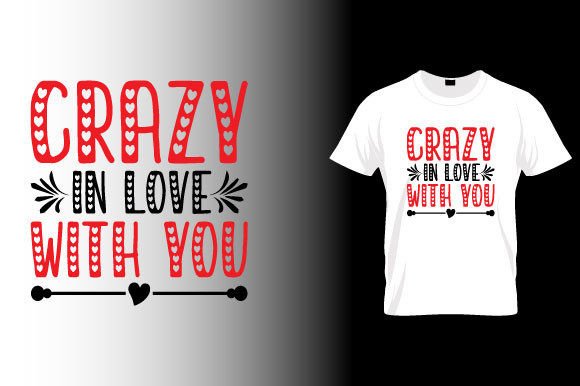
But here’s where attention matters: avoid using it on highly stretchy knits (like ribbed cuffs or thin jersey t-shirts) without proper stabilization and careful hooping. Tiny decorative accents — like the subtle heart dot above the “i” — may lose clarity on dark, napped, or loosely woven fabrics unless you adjust thread contrast intentionally. And while it’s not overly dense, I’d skip it on ultra-thin silk or chiffon — those surfaces need lighter, more open designs.
What It Adds to Your Finished Product
This isn’t just decoration — it’s brand language in thread. When stitched onto a cream-colored organic cotton tote, About Valentine’s Day T-Shirt Design reads as thoughtful, handmade, and quietly confident. Customers notice that. They associate that look with care, consistency, and intention — all things that build trust, especially for Etsy sellers and small shop owners offering personalized gifts.
For holiday embroidery, recognition matters. This design avoids cliché while still feeling unmistakably Valentine’s — no overused cupids or glitter explosions. That makes it versatile across audiences: couples, teachers, moms, friends, even pet lovers (a tiny heart + “My Happy” can easily nod to a beloved dog or cat). That flexibility boosts giftability and repeat appeal.
Design Notes Every Embroidery Professional Should Check
- Test first — Always run a sample on scrap fabric matching your final product’s weight and texture. Linen? Cotton poplin? Fleece? Each behaves differently.
- Review thread color contrast — The design’s charm lies in readability. On dark fabric, choose high-contrast thread (e.g., white or blush pink on navy); on light, go for rich, saturated tones that lift the shape without overwhelming it.
- Confirm stitch density — While this design appears moderate, check the actual file before scaling up. Overly dense fills on small items like baby caps or tea towel corners can cause stiffness or distortion.
- Hoop size matters — Though it fits a standard 4x4 hoop at common sizes, verify your machine’s max dimensions if planning larger versions for blankets or pillow covers.
- Inspect small details — That delicate heart dot and fine serif lettering need clear definition. Zoom in digitally before stitching — if it looks fuzzy on screen, it’ll read poorly in thread.
- Mock it both ways — Try black-and-white and color mockups. Does the balance hold? Does the phrase “My Happy Valentine’s Day” retain warmth without color cues?
- Stabilizer choice is non-negotiable — For anything beyond stable wovens (think sweatshirts, towels, or textured canvas), use cutaway or tear-away + topping for crispness.
- Licensing check — Since this falls under Print Templates and Graphics, confirm whether the license permits commercial embroidery, resale of finished products, or bundling into digital embroidery bundles. Don’t assume — verify.
Final Thought: A Quiet Workhorse, Not a Flashy Gimmick
About Valentine’s Day T-Shirt Design won’t shout from a crowded craft fair table — but it will draw people in. It feels personal without needing customization, festive without leaning on trend-chasing, and professional without sacrificing warmth. That’s rare. In my work with small creative businesses, I’ve seen how one reliable, well-behaved design like this becomes the backbone of seasonal collections — repeated across mugs, totes, baby onesies, and embroidered patches because it *just works*.
If you’re an embroidery designer building a library of trusted assets, an Etsy seller curating heartfelt Valentine’s offerings, or a small shop owner sourcing quality digital embroidery files for custom apparel and handmade product lines — this is the kind of design that earns repeat use, positive reviews, and word-of-mouth referrals. Not because it’s flashy, but because it delivers, stitch after steady stitch.